

I spent $280 a month on clothes for years and had nothing to show for it. Here’s how I cut that to $80 while actually dressing better. Real strategies, no deprivation.
Category: Saving Money | Tags: save money on clothes, clothing budget tips, buy clothes cheaper, cheap fashion tips, capsule wardrobe budget, second hand clothes shopping, clothing money saving
For most of my twenties I spent too much on clothes and dressed badly. That combination is more common than you’d think.
The problem wasn’t the amount I spent. It was how I spent it. Lots of cheap impulse buys from fast fashion stores that looked appealing on the hanger, felt cheap in person, and wore out in four months. I was spending $280 a month to own a wardrobe full of things I didn’t love.
Reversing this — spending less and owning better things — was one of the more counterintuitive money lessons I’ve learned.
Why Most People Overspend on Clothes
- Sales and discount triggers — something that costs $60 reduced to $25 feels like a saving even if you didn’t need it
- Emotional shopping — buying clothes as a mood boost, using retail therapy genuinely
- Fast fashion pricing — low prices make each individual purchase feel harmless even when volume adds up
- Wardrobe gaps — buying things that don’t match what you own and therefore never wear
- Trend chasing — buying items that feel current but go out of style quickly
Strategy 1 — Implement a 30-Day Rule on All Clothing Purchases
This is the single most effective clothing budget strategy I used. Before buying any non-essential clothing item, wait 30 days.
Put it in your cart. Screenshot it. Put the item in a list. Wait 30 days. If you still want it after a month and you can afford it, buy it. The psychological urgency of sale items and trend pieces completely dissolves over 30 days.
Strategy 2 — Charity Shops and Thrift Stores First
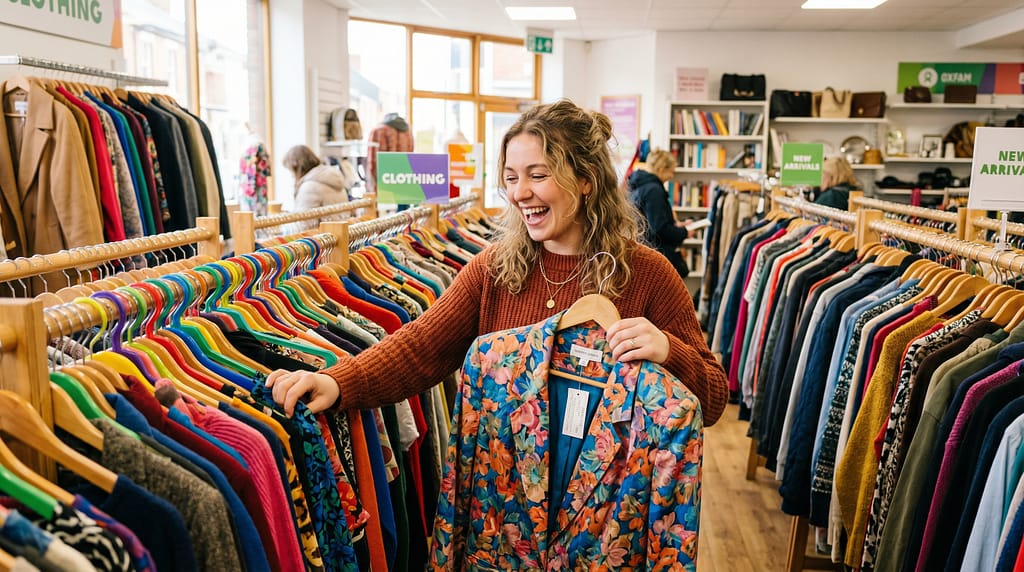
I resisted second-hand clothes shopping for longer than I should have. I had this vague sense it would be depressing or that I’d find nothing.
I was completely wrong. In the UK, charity shops in affluent areas are genuinely remarkable. In the US, Goodwill and ThredUp have made secondhand mainstream. I’ve found barely-worn premium brand items for £4 and designer pieces I’d never have bought at full price.
The key is: don’t go looking for something specific. Go regularly, browse broadly, and buy when you find something great. The finds are sporadic but when they happen they’re spectacular value.
Strategy 3 — Use Vinted, Depop, and ThredUp for Specific Items
When you need a specific item — a black blazer, a particular type of boot, a formal dress for an event — secondhand online marketplaces let you search specifically and filter by size, condition, and brand.
On Vinted and Depop you can find brand-name items in excellent condition at 20 to 40% of their retail price. For one-occasion items like wedding guest outfits or formal wear this is especially good value.
Strategy 4 — Build a Capsule Wardrobe of Versatile Pieces
The reason a lot of full wardrobes feel like nothing to wear is that the pieces don’t combine well. You have lots of items but no outfits.
A capsule wardrobe solves this. The idea is simple: a core set of versatile, well-made items in coordinating colours that mix and match into dozens of outfits. You buy fewer things but each thing works harder.
A basic capsule for most people: 5 tops that go with everything, 2 pairs of trousers or jeans, 1 formal option, 1 smart casual option, 3 to 4 pairs of shoes covering different occasions. Everything in neutral or coordinating colours.
Strategy 5 — Shop End of Season Sales Intentionally
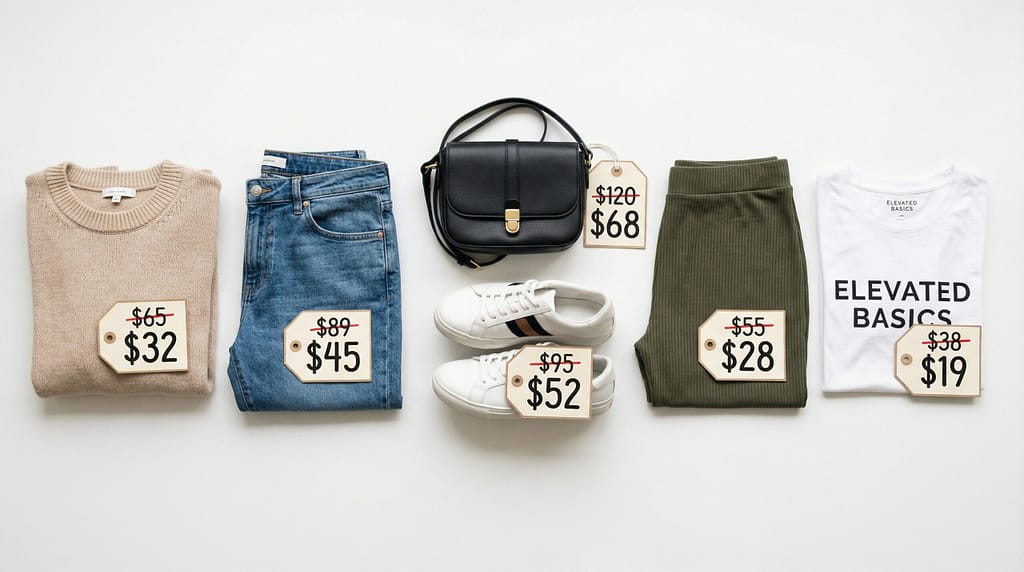
The difference between shopping sales reactively and intentionally is significant. Reactive shopping means buying sale items because they’re cheap. Intentional shopping means deciding what you need, noting where to find it, and buying it at the end of season when it’s discounted.
Buy winter coats in February. Buy summer clothes in August. The discounts are 50 to 70% and you’re buying things you planned to buy anyway.
Strategy 6 — Unsubscribe From All Fashion Retail Emails
Fashion retail emails are purpose-built impulse buying triggers. Flash sales, new arrivals, exclusive early access — all of them create urgency around buying things you weren’t thinking about five minutes ago.
Unsubscribe from every single one this weekend. Your clothing budget will reduce almost automatically. The temptation removes itself.
Strategy 7 — Repair and Care for What You Own
A small amount of care extends clothing life dramatically. Wash clothes inside out on cold cycles. Air dry rather than tumble dry where possible. Learn to repair basic loose buttons and small tears — it takes three minutes and extends the item’s life by years.
Clothes you love and care for last much longer than cheap clothes worn carelessly. The cost-per-wear of a £60 jacket worn 200 times is 30p. The cost-per-wear of a £15 jacket worn 8 times before it falls apart is almost £2.
How Much Should You Spend on Clothes?
Financial advisors typically suggest 2 to 5% of your take-home income on clothing annually. On a $3,000 monthly income that’s $60 to $150 per month. Most people spend significantly more.
A better personal target: set a specific annual clothing budget, track it, and divide by 12 for a monthly guide. Review spending quarterly and adjust the following quarter.
Quick Answers
What is the cheapest way to get clothes?
In order: charity shops and thrift stores for the cheapest quality items, secondhand apps like Vinted and Depop for searchable specific items, end-of-season sales for planned purchases, and loyalty discount codes at your most-used retailers for necessary new purchases.
Is it worth buying expensive clothes to save money?
Sometimes yes. A well-made £80 coat worn for 5 years costs £16 per year. A £20 coat replaced every year costs the same but with more waste, more shopping time, and usually less satisfaction. For key staple items quality often wins on cost-per-wear. For trendy or occasion pieces second-hand is usually better value.
Related: How to Stop Impulse Buying | How to Cut Monthly Expenses | How to Save $500 in 30 Days | How to Stop Being Broke